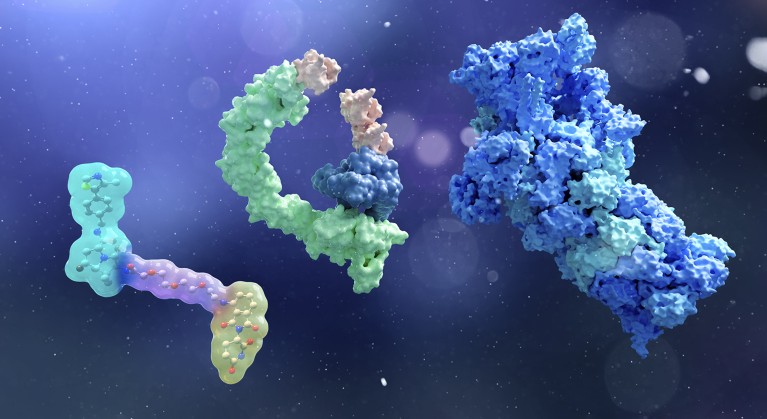
An innovative funding initiative in South Korea has the ambitious goal of expanding the range of potential 'druggable' protein targets by pursuing unprecedented therapeutic approaches.
Most drugs bind to the 15% of human proteins that have well-defined ‘binding pockets’ to attach to. Yet most proteins — including those that drive many complex diseases — lack these features, and have therefore been largely unexplored as drug targets.
More than 85% of the human proteome, including key transcription factors and flexible or disordered proteins, has been labeled ‘undruggable’, leaving a significant blind spot. Overcoming this barrier now requires fundamentally new therapeutic approaches.
A government‑backed initiative in South Korea is rising to meet that challenge. The Korea Drug Development Fund (KDDF) is supporting next‑generation drug‑discovery platforms, and working with companies to realize these technologies.
With a funding plan of US$1.5 billion, it aims to foster more than 1,200 projects and achieve the launch of four new drugs by 2030. As of January 2026, its portfolio includes more than 550 projects across a broad range of therapeutic areas and modalities. The portfolio emphasizes new biological targets and next-generation therapeutic modalities.
One of these projects is focusing on understanding metabolic processes related to maintenance of healthy weight.
The rise of so-called incretin‑based therapies — such as GLP‑1 receptor agonists — that use gut hormones to manage blood sugar and reduce appetite, has transformed research around metabolism and weight control. However, not all patients get optimal benefit from these approaches, and a key challenge in the field is understanding how to address broader metabolic needs beyond weight reduction. Rapid weight loss, for example, can lead to muscle loss in addition to fat, potentially disrupting metabolic and physiological balance.
Read the full article on [Nature]